
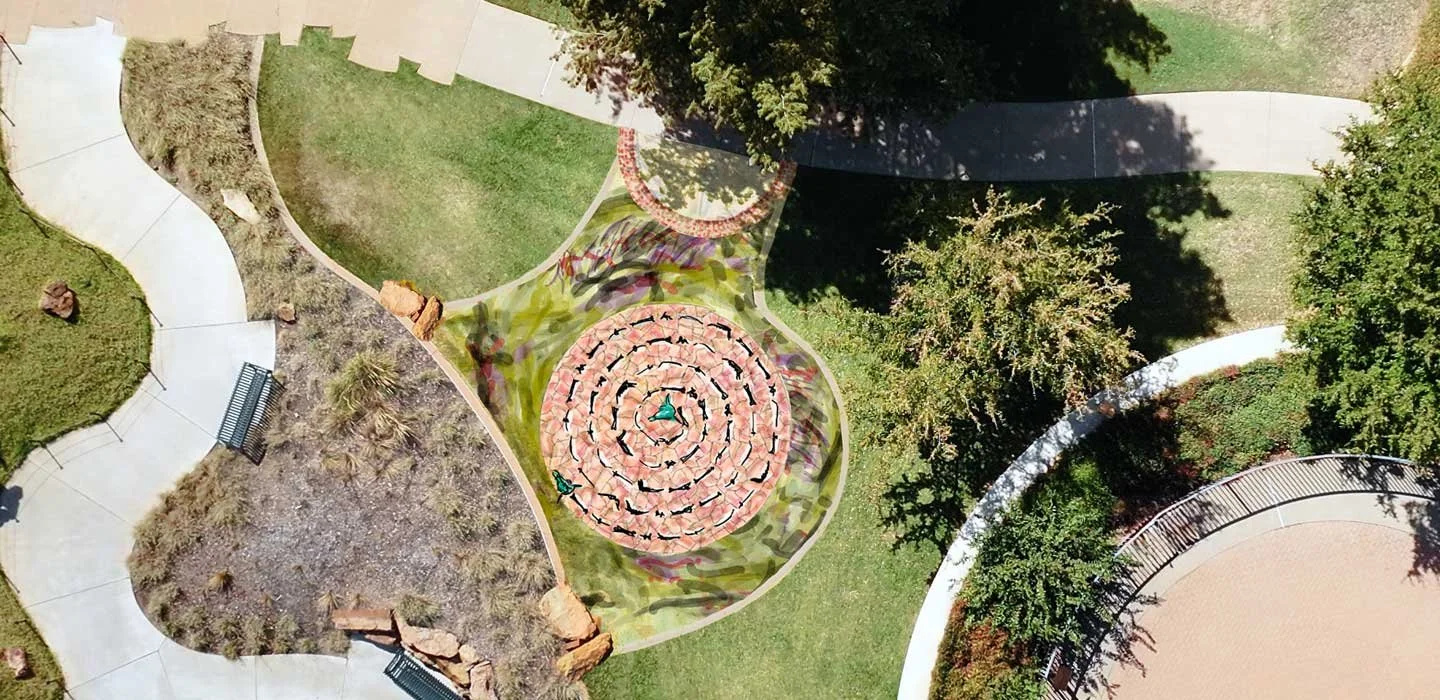
When the Earth Remembers
Medium: Cast concrete bison bones, bronze bison skulls, harvest-garden planting
Size: 20-foot-diameter
Year: In Development - 2025-2028
Location: Oklahoma City, Oklahoma
Commission: City of Oklahoma City Office of Arts & Cultural Affairs
How can Oklahoma’s most visible origin story stand alone when it leaves so much out? For years, Native artists, organizers, Knowledge Keepers, and community members spoke publicly about the Centennial Land Run Monument and the absence it creates—the way a civic story of settlement can make it seem as though the land was empty, waiting, or without memory.
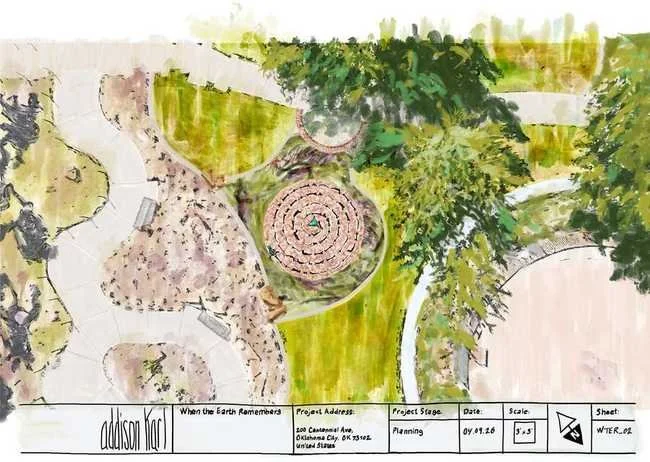
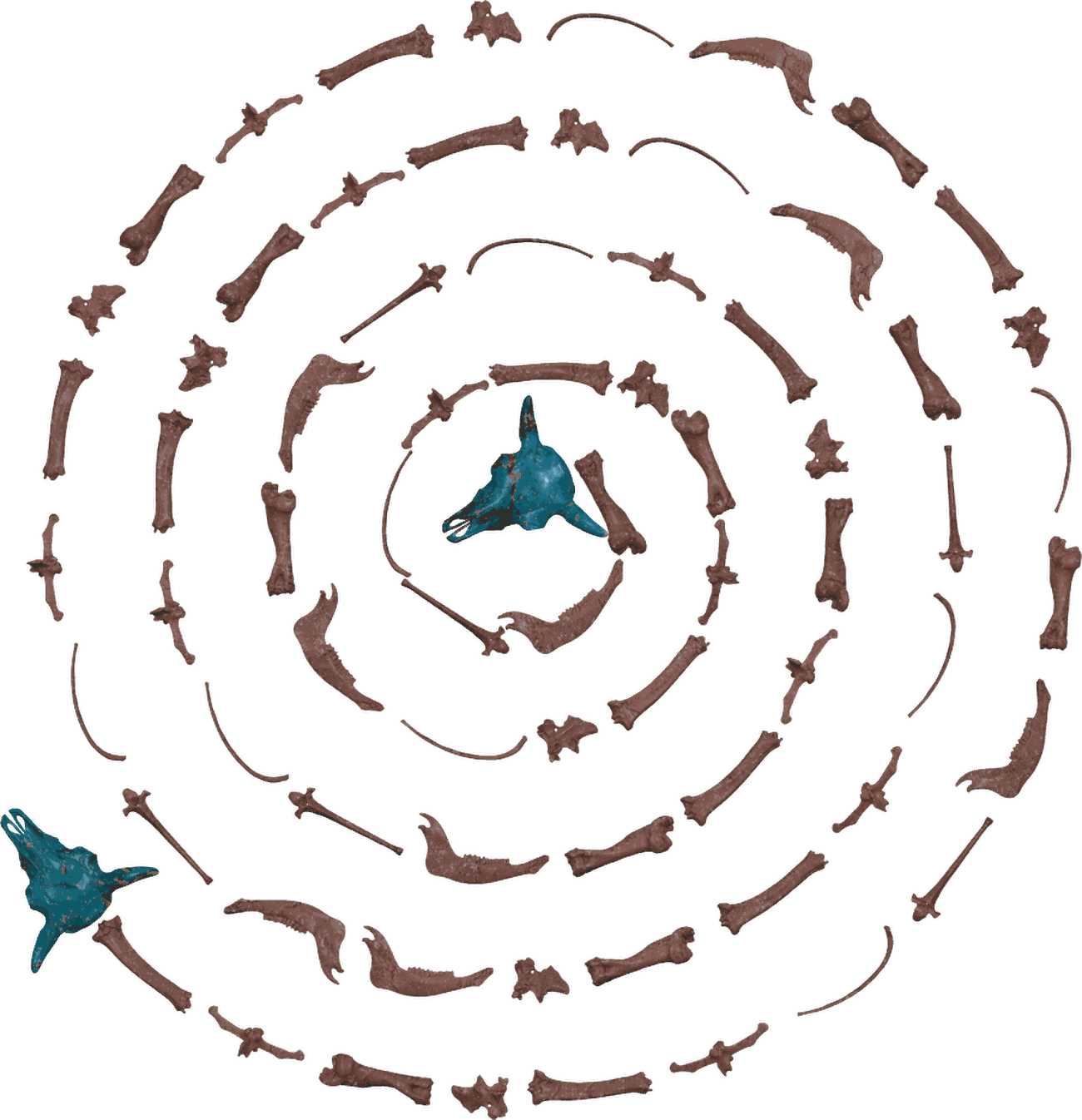
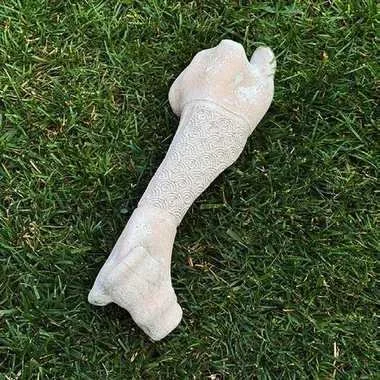
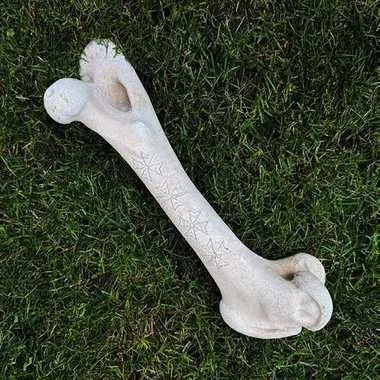
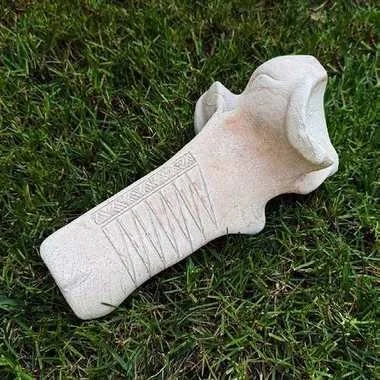
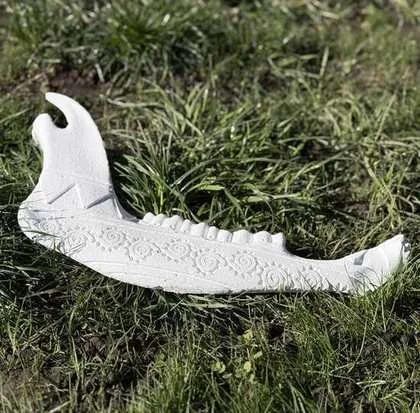
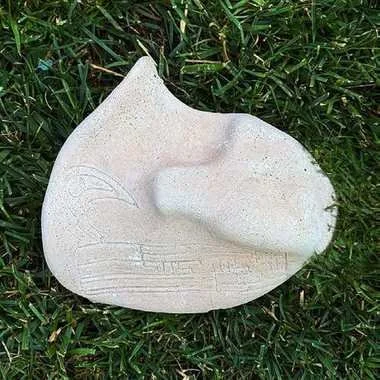
When the Earth Remembers grows from that long work. It is not an object placed beside the Land Run Monument to correct it with a plaque or replace one story with another. It is a collective act of presence. Across a twenty-foot field, a counterclockwise spiral of bison bones gathers together stories of land, removal, survival, movement, cultural continuity, and return. The spiral carries the motion of stomp dance; the bison bones carry the living relationship between land, animal life, and Native memory. Two bronze skulls anchor its beginning and end, holding the work close to the ground rather than raising it above the people whose lives and histories it honors.
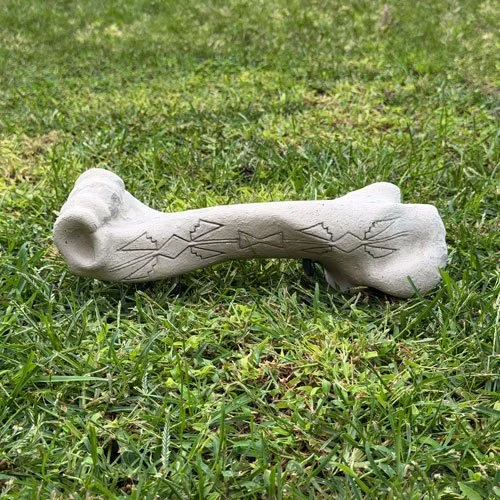
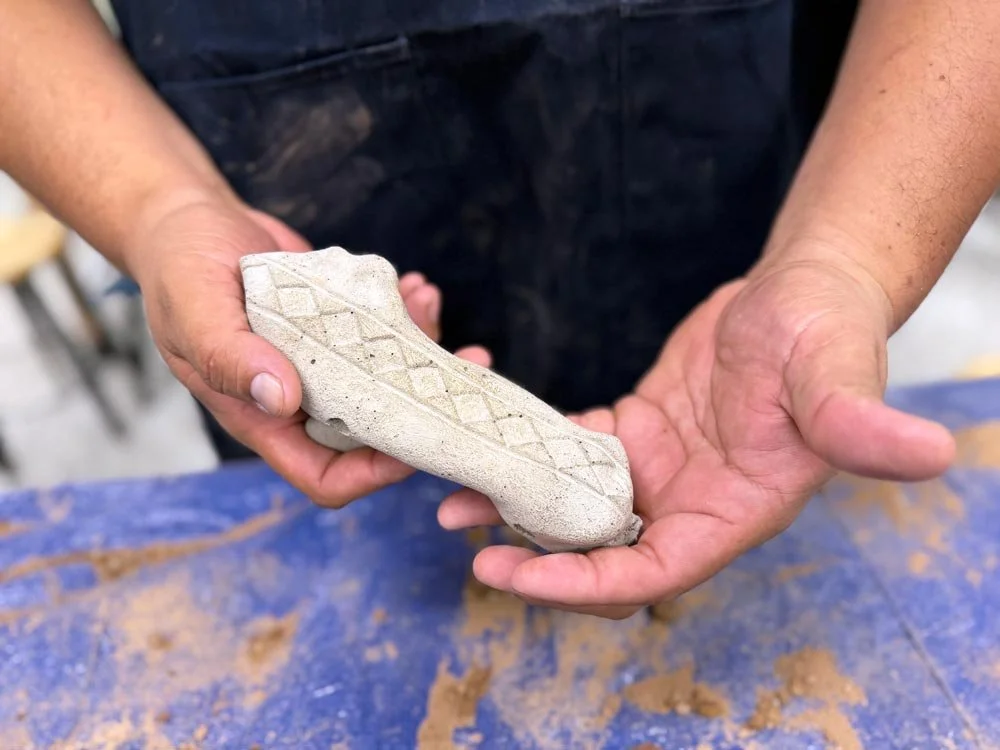
Each Oklahoma Native Nation and Tribe has been invited to place its own visual language within this larger composition. A bone becomes a canvas: one form, one story, one mark of continued presence. The artwork remains carefully composed as a whole, but it refuses the old monument model of a single voice speaking for everyone. Instead, it makes room for many Native nations, artists, families, youth, parents, and Elders to recognize that they belong in the public story of Oklahoma—not only in the past tense, but here, now, and into the future.
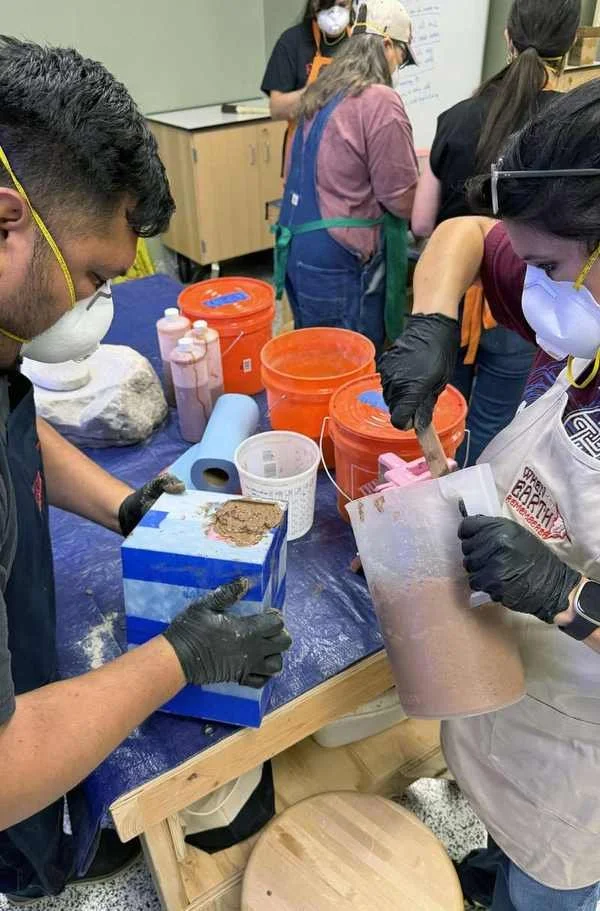
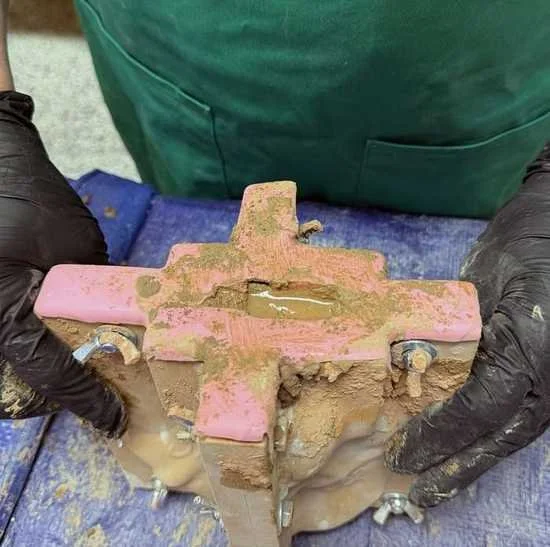
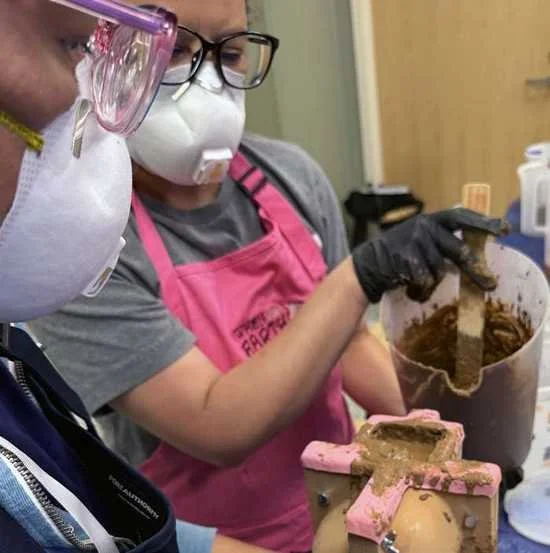
The work is built through the same relationships it seeks to make visible. Community casting workshops bring sculpture, mold-making, casting, finishing, and public-art knowledge into Native communities, museums, cultural centers, and educational spaces. Hosts determine how their communities gather; participants help make the forms that will enter a permanent civic artwork. Alongside the spiral, a harvest garden extends the story beyond human displacement alone. It recognizes that removal changed plants, animal life, ecologies, foodways, and systems of knowledge too. In this landscape, art and land are not separate subjects: they become a place for teaching, gathering, remembering, and carrying knowledge forward.
This is what a monument can become: not a fixed statement about who mattered, but a space made through the presence, labor, memory, and creative authority of the communities who are still here.
Civic Foundation & Project Partners: Brenda S. Golden (Muscogee) and the Indigenous Perspectives Project; Kendra Wilson-Clements (Choctaw) and Culture Hub Collective; City of Oklahoma City Office of Arts & Cultural Affairs; OKC Parks; University of Oklahoma Gallogly College of Engineering; participating Native Nations, artists, cultural centers, museums, educators, and community hosts.
Collaborating Artists to Date: Tom Farris (Cherokee Nation and Otoe-Missouria Tribe); Brent Greenwood (Chickasaw and Ponca); Don Narcomey (Seminole Tribe); Kristin Gentry (Choctaw Nation); Robert King (Choctaw Nation of Oklahoma); Anna Kemp (Chickasaw citizen, Choctaw descent); and Fawn Brown (Cherokee Nation citizen).